Why Brunswick’s Windy Weather Demands More Frequent Gutter Checks
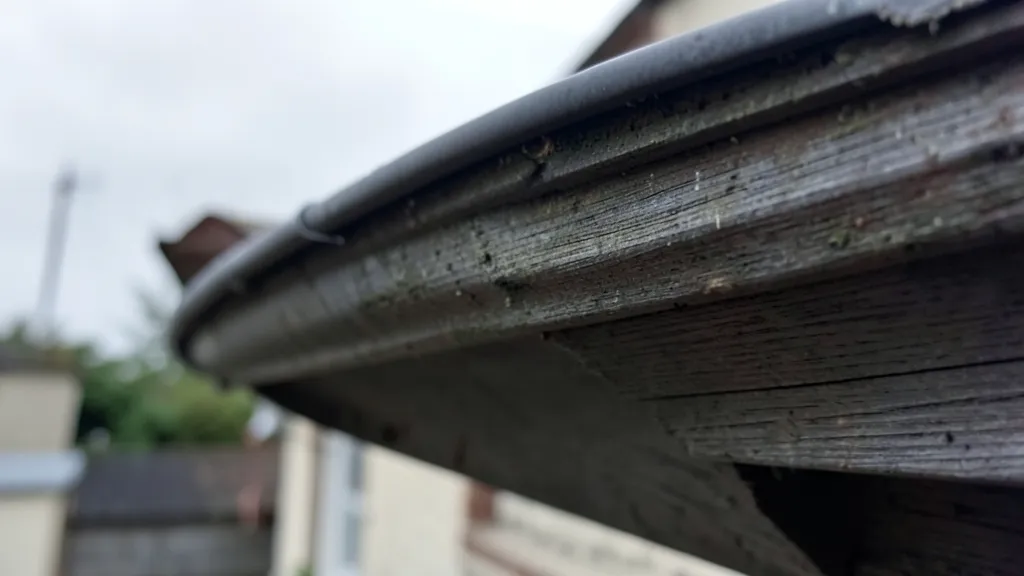
Brunswick’s open fields and tree-lined streets mean wind doesn’t just knock—it dumps. Piles of leaves, shingle grit, and seed pods collect fast, turning gutters into dams overnight. We’ve seen firsthand how a single storm can overload a system that looked fine the week before.
How Wind Accelerates Gutter Clogs in Our Area
Medina County’s gusty springs and falls don’t just move debris—they launch it. Lightweight maple samaras and oak leaves ride the wind straight into your gutters, packing tight against downspout openings.
Unlike slower, rain-driven buildup, wind-deposited debris is dry and loose at first, then compresses under the next downpour. This creates a dense mat that resists flushing, even with heavy rain.
The Hidden Costs of Skipping Seasonal Inspections
Clogged gutters don’t just overflow—they back up under the roof line. In Brunswick’s freeze-thaw cycles, trapped water becomes ice dams that pry shingles up and send water into your attic.
Overflow also erodes landscaping and undermines foundations. We’ve repaired fascia boards in Strongsville and North Royalton where neglected gutters caused rot that spread to soffits and rafter tails.
Downspout blockages are sneaky. Water can pool at the elbow, rusting aluminum gutters from the inside out. Copper systems resist rust but can corrode if debris traps moisture for weeks.
Even a partial clog can create the conditions for ice dams after a Brunswick winter storm. Once formed, they’re hard to remove without damaging shingles.
Wind vs. Rain: What Clogs Gutters Faster?
Wind-driven debris accumulates faster than rain-carried silt. A single microburst can fill gutters with enough leaves to block flow entirely, while rain washes finer particles through the system.
| Debris Type | Wind Impact | Rain Impact | Clog Risk |
|---|---|---|---|
| Maple samaras | High—lightweight, airborne | Low—floats through | Medium |
| Oak leaves | High—dry and brittle | Medium—can mat down | High |
| Shingle grit | Medium—heavy but wind-lifted | High—settles in troughs | High |
| Pine needles | Medium—interlocks in gutters | Low—often flushes | Medium |
Signs Your Gutters Need Attention After a Windy Week
Check for sagging sections—this often means water weight from trapped debris. Even a slight dip can indicate a hidden clog pulling the gutter down.
Listen during rain. If you hear dripping but see no water exiting downspouts, there’s a blockage. In Valley City, we often find clogs at the first elbow where debris snags.
Look for streaks of dirt or rust on the gutter exterior. These mark overflow points where water has been spilling over the edge, a classic sign of a clog upstream.
Quick Wind-Damage Gutter Check
- Inspect for visible debris piles on the roof edge
- Test downspout flow with a hose from the top
- Look for water stains or erosion below gutters
- Check for loose or detached hangers
Why Standard Cleanings Aren’t Enough Here
Twice-a-year cleanings work in calmer climates, but Brunswick’s wind patterns demand more. We recommend a mid-fall check after leaf drop and a late-winter inspection before spring rains.
Gutter guards help, but even the best systems need maintenance. In Brunswick Hills Township, we see pine needles and maple seeds bypass screens and accumulate on top, requiring removal.
Schedule a cleaning within 48 hours after a major wind event. Dry debris is easier to remove before rain turns it into a soggy, heavy mess.
How We Tackle Wind-Driven Debris Differently
We start with a roof-edge inspection to identify wind patterns specific to your property. Homes near open fields in Medina or Strongsville often have debris concentrated on the windward side.
Our team uses high-velocity blowers to clear dry, wind-deposited material before it compacts. For stubborn clogs, we employ specialized rods to break up the mat without damaging gutter seals.
We also reseal and reslope gutters where wind has shifted them. Even a half-inch misalignment can cause water to pool and accelerate rust or rot.
Preventing Future Wind Damage to Your Gutters
Consider gutter guards with a fine mesh to block samaras and needles. We install systems that allow water to flow while keeping debris out, reducing cleaning frequency by up to 70%.
Reinforce hangers and end caps. Wind doesn’t just fill gutters—it can tear them loose. We use heavy-duty fasteners and check for stress points during every service.
Trim overhanging branches. This reduces the volume of debris wind can carry into your gutters. In North Royalton, we’ve seen homes cut their cleaning needs in half with strategic pruning.
How to Safely Check Your Gutters After a Windstorm
A quick inspection can prevent major damage—here’s how to do it without risking a fall.
- 1Gather Tools
Use a sturdy ladder, gloves, and a garden trowel or gutter scoop. Never lean the ladder against the gutter itself—it can dent or detach the system.
- 2Start at the Downspouts
Tap the downspout with the trowel handle. A hollow sound means it’s clear; a dull thud suggests a clog. Check the outlet at ground level for debris.
- 3Inspect the Troughs
From the ladder, look for visible debris piles. If gutters are overflowing, note the highest point of the clog—this is where water is backing up.
- 4Test Water Flow
Have a helper run a hose at the far end of the gutter. Water should flow smoothly to the downspout. If it pools, there’s a blockage upstream.
- 5Check for Damage
Look for loose hangers, separated seams, or rust spots. Wind can loosen fasteners, and trapped water accelerates corrosion.
Frequently Asked Questions
How often should Brunswick homeowners clean gutters if they have lots of trees?
With heavy tree cover, we recommend cleanings every 3–4 months, especially after major wind events. Fall and spring are critical, but mid-summer checks catch seed pods and early leaf drop.
Can gutter guards eliminate the need for cleaning in windy areas?
No system is maintenance-free. Guards reduce frequency but still need inspection—debris collects on top, and fine particles can work their way in. We clean and inspect guards during routine service.
What’s the most common gutter damage you see after Brunswick windstorms?
Loose or detached hangers top the list. Wind lifts gutters at the seams, stressing fasteners. We also see a lot of downspout elbows clogged with compacted leaves and shingle grit.
Do seamless gutters handle wind-driven debris better than sectional?
Seamless gutters reduce snag points where debris can catch, so they do perform better in windy conditions. However, they still need regular cleaning—debris will accumulate in any gutter system over time.
How can I tell if my gutters are sloped incorrectly after wind damage?
Stand at one end of the gutter run and look down the trough. If you see standing water or the gutter sags in spots, the slope is off. Water should flow toward the downspout with no pooling.
Is it safe to clean gutters myself after a windstorm?
Only if you’re comfortable on a ladder and have the right tools. Wind can make ladders unstable, and wet debris is slippery. For multi-story homes or steep roofs, it’s safer to call professionals.